Reclaiming Metabolic Health by Returning Fat to Its Proper Role
When most people imagine ancestral diets, they picture hunters roasting enormous slabs of fatty meat over an open fire. It's an image that has become especially popular with the rise of ketogenic and carnivore diets, but it leaves out an enormous part of human nutritional history. Many traditional populations lived primarily on carbohydrates from fruit, tubers, roots, honey, and other plant foods, with relatively modest amounts of animal protein and fat. In some of these populations, dietary fat was surprisingly scarce, yet people remained lean, physically active, and metabolically healthy.
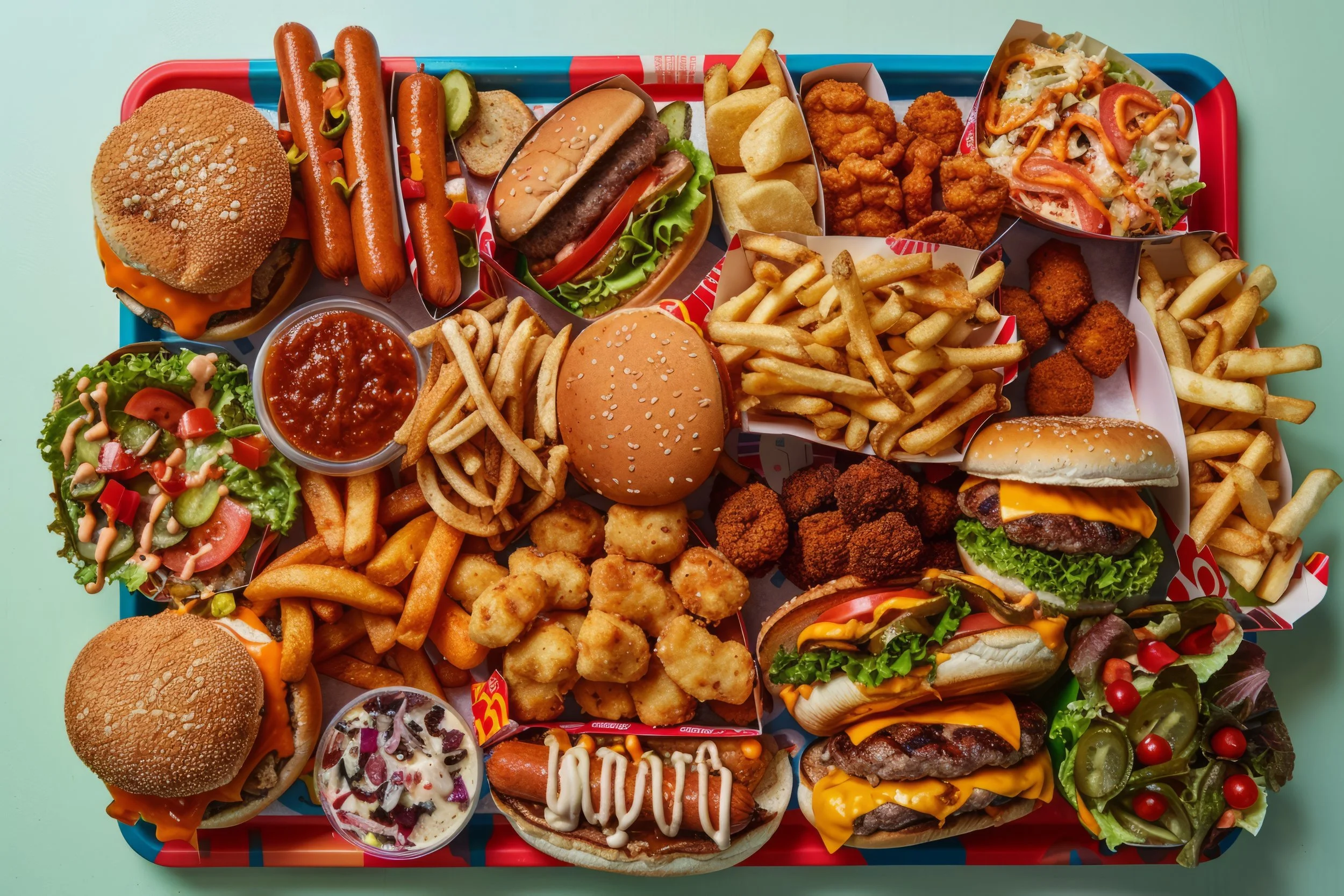
Today, we live in a very different food environment. Concentrated fats are added to nearly everything, from restaurant meals and packaged snacks to foods marketed as healthy. Butter, cream, cheese, cooking oils, nuts, and fatty meats are available in quantities that would have been unimaginable to many of our ancestors. While fat is an essential nutrient, I believe we've lost sight of how much we actually need and how excessive dietary fat can interfere with the body's ability to use carbohydrates efficiently.
The Carbohydrate Backbone of Traditional Diets
Some of the most fascinating examples of carbohydrate-rich eating come from the highlands of Papua New Guinea. Researchers studying traditional highland communities documented diets heavily dependent on sweet potatoes, which sometimes provided the overwhelming majority of daily calories. One study reported an average consumption of approximately 956 grams of sweet potatoes per day, or more than two pounds. Depending on the community and season, people also consumed taro, yams, bananas, sugarcane, and other plant foods, while animal foods played a relatively minor role in everyday nutrition.
These were not populations carefully restricting calories, counting carbohydrates, or avoiding sugar. They were eating the foods available in their environment, and those foods happened to be rich in starch and natural sugars. Some traditional highland diets provided less than 10% of calories from fat, yet researchers documented populations that were physically active and generally lean. Their experience challenges the modern assumption that carbohydrates are inherently fattening or that humans require substantial dietary fat to maintain their energy and health.
The Kitavans of Papua New Guinea provide another interesting example. Their traditional diet was based largely on tubers, fruit, coconut, and fish, with carbohydrates providing a substantial proportion of daily energy. Coconut contributed more fat than was typical of some highland populations, illustrating that carbohydrate-rich traditional diets weren't necessarily fat-free. Researchers studying the Kitavans reported very low rates of several cardiovascular risk factors associated with modern Western populations, although differences in physical activity, smoking, food processing, and other lifestyle factors also deserve consideration.
We can't assume that every traditional population ate exactly the same way, or that carbohydrate intake alone explains their health. What we can say is that humans have a long history of thriving on diets built around carbohydrate-rich foods. The idea that eating plenty of starch or fruit is inherently unnatural simply doesn't hold up when we examine these populations.
Fat Was Often a Feast Food
In many traditional societies, concentrated animal fat was highly valued because it wasn't consistently available. Wild animals vary considerably in body fat depending on their species, habitat, and season, and some are exceptionally lean. Even when fatty animals were available, hunting success and seasonal conditions influenced how frequently people could obtain them. Our ancestors didn't have refrigerators filled with fatty steaks, unlimited butter, or bottles of concentrated cooking oil waiting in the pantry.
In parts of Papua New Guinea, pigs played an important role in ceremonial and community feasts. A pig slaughter could provide a temporary abundance of meat and fat for people whose everyday diets were otherwise dominated by sweet potatoes and other starchy foods. These celebrations were important cultural events, but they didn't necessarily reflect what people ate throughout the rest of the year. The contrast between occasional abundance and everyday eating is worth considering when we look at how much concentrated fat has become part of modern daily life.
Fat provides nine calories per gram, compared with four calories per gram from carbohydrate or protein. That makes it an extremely concentrated energy source, which would have been valuable in environments where obtaining enough food required substantial physical effort. Today, the same energy density makes it remarkably easy to consume hundreds of additional calories without eating much more food. A few tablespoons of oil, a generous handful of nuts, or several ounces of cheese can dramatically increase the energy content of an otherwise ordinary meal.
What Weston A. Price Actually Found
Weston A. Price traveled extensively during the 1930s, documenting the diets, dental health, and living conditions of traditional populations. His observations are often used to support the idea that ancestral people consumed enormous quantities of animal fat, but his work actually illustrates considerable dietary diversity. Some communities relied heavily on seafood, meat, and animal fats, while others consumed substantial amounts of grains, tubers, fruit, and other carbohydrate-rich foods. The composition of their diets depended largely on geography, climate, culture, and food availability.
Price was particularly interested in the differences he observed when traditional communities began replacing their customary foods with refined commercial products. His descriptions remain historically interesting, although his research was observational and cannot establish that any particular macronutrient ratio caused the health outcomes he documented. I think his work is most useful as a reminder that traditional diets generally looked very different from today's highly processed food supply, rather than proof that everyone should eat large amounts of fat.
The Inuit are frequently presented as evidence that humans are naturally designed for high-fat, low-carbohydrate diets. Their traditional food supply was shaped by an Arctic environment where edible plant foods were limited for much of the year, and they developed remarkable strategies for obtaining nourishment from marine mammals, fish, and other animal foods. Their survival demonstrates the flexibility of human metabolism, but it doesn't establish that a high-fat diet is ideal for people living in environments where carbohydrate-rich foods are readily available. I don't believe our ability to adapt to carbohydrate scarcity should automatically be interpreted as evidence that carbohydrate restriction is optimal for thyroid function, reproductive health, or long-term metabolic resilience.
Humans Have a Long History of Eating Carbohydrates
Humans are primates, and our evolutionary history includes a substantial relationship with carbohydrate-rich plant foods. Our closest primate relatives consume varied diets that include fruit, leaves, and other plant material, while human ancestors developed additional ways to obtain energy from roots, tubers, and other starchy foods. Cooking and food preparation expanded our ability to digest these foods, and humans evolved adaptations that support starch digestion, including variation in the number of copies of the salivary amylase gene.
The Hadza of Tanzania provide another example of the importance of carbohydrate-rich foods in traditional human diets. Honey is a highly valued food and can make a substantial contribution to energy intake when available, alongside berries, tubers, meat, and other foods. The availability of honey changes with the season, but its importance demonstrates that humans have sought concentrated sources of natural sugars for a very long time. Sweetness was part of the human food environment long before modern food manufacturing existed.
Carbohydrates are also important for normal metabolic function. Glucose is a major energy source for many tissues, and carbohydrate availability influences glycogen storage, exercise performance, and thyroid hormone metabolism. Low-carbohydrate diets can reduce circulating T3, particularly when carbohydrate restriction occurs alongside inadequate calorie intake. When energy availability remains too low, the body may also reduce reproductive hormone signaling, lower resting energy expenditure, and make other adaptations intended to conserve energy.
These changes are especially relevant for people who have spent years dieting, fasting, or restricting entire food groups. The body can manufacture glucose when dietary carbohydrate is unavailable, but this requires metabolic adaptations that I don't believe most people need to rely on unnecessarily. In my practice, I prefer to provide enough carbohydrate and total energy to support normal physiological function rather than asking the body to compensate for a chronic shortage.
How Modern Food Became So Fat-Heavy
Many people believe they're eating too many carbohydrates when they're actually eating foods containing enormous amounts of added fat. Pizza, donuts, cookies, pastries, ice cream, creamy pasta, potato chips, and restaurant meals are routinely blamed on carbohydrates, even though they often contain substantial quantities of butter, cream, cheese, shortening, or vegetable oils. A plain baked potato is naturally very low in fat, while French fries contain large amounts of added oil. Bread is primarily a carbohydrate food, while a croissant gets a substantial proportion of its calories from butter.
This distinction matters because carbohydrate-rich foods are often blamed for the effects of highly processed, energy-dense meals. Someone might avoid potatoes because they're concerned about blood sugar while eating handfuls of nuts, cheese, and fatty meat without considering how much energy those foods provide. Another person might eliminate fruit juice but continue consuming restaurant meals prepared with several tablespoons of oil. In both cases, the nutritional conversation has become so focused on carbohydrate avoidance that dietary fat barely receives attention.
The modern food industry has also played a major role in changing what we eat. During the late twentieth century, major tobacco companies acquired large food businesses, and researchers have examined how tobacco-company-owned brands were associated with the development and marketing of highly palatable processed foods. Manufacturers learned to combine refined carbohydrates, concentrated fats, salt, and flavorings into products that are convenient, intensely appealing, and easy to overconsume. These foods bear little resemblance to the potatoes, fruit, honey, and other carbohydrate sources that sustained many traditional populations.
Seed Oils, Insulin Resistance, and the Randle Cycle
One of my greatest concerns with modern nutrition is the enormous increase in our consumption of industrial seed oils. Soybean, corn, sunflower, cottonseed, and similar oils are now common ingredients in packaged foods, restaurant meals, dressings, sauces, and fried foods. Many contain substantial amounts of omega-6 polyunsaturated fatty acids, particularly linoleic acid, and their widespread use has dramatically changed the fatty acid composition of the modern food supply.
Polyunsaturated fats are more susceptible to oxidation than saturated fats because of their chemical structure. When these fats undergo oxidation, they can form reactive compounds, including lipid peroxides and aldehydes, that have been shown in experimental research to interfere with cellular function. Researchers have investigated their effects on mitochondria, inflammation, and insulin signaling, and I believe these mechanisms deserve far more attention in discussions about metabolic health. However, the harmful effects of oxidized lipids shouldn't be confused with proof that consuming ordinary amounts of linoleic acid is the primary cause of insulin resistance in humans. Controlled human studies have produced a more complicated picture, including findings of improved insulin sensitivity when polyunsaturated fats replace saturated fats.
My clinical concern is that once someone develops impaired glucose metabolism, consuming large amounts of dietary fat can make it more difficult to rely on glucose oxidation for energy. This is where the Randle cycle, also called the glucose–fatty acid cycle, becomes especially relevant. The Randle cycle describes how the availability and oxidation of fatty acids influence glucose oxidation within cells. When fatty acid oxidation is elevated, metabolic signals can reduce the immediate oxidation of glucose, shifting the balance toward fat as a fuel source.
This competition between fuels is a normal part of human physiology and doesn't mean that eating fat and carbohydrate together automatically causes insulin resistance. However, I believe it becomes particularly important when someone is already struggling with metabolic flexibility, thyroid function, or glucose regulation. In these circumstances, continually supplying large amounts of dietary fat may make it harder to shift toward carbohydrate oxidation, especially when the person is also under-fueled or physically inactive.
I use the term "swampland" to describe this situation, where someone is consuming substantial dietary fat while struggling to use carbohydrates efficiently. It's a practical teaching concept rather than an established medical diagnosis, and there isn't a scientifically validated fat threshold at which everyone suddenly develops metabolic dysfunction. My approach is to reduce excessive dietary fat, particularly industrial seed oils, while providing adequate carbohydrates, protein, and total calories. I want to create conditions that support more effective glucose utilization rather than continuing to rely heavily on fat as the primary fuel.
Insulin resistance is complex, and researchers have identified multiple contributing factors, including excess energy intake, fat accumulation in the liver and muscles, inflammation, genetics, inactivity, and changes in cellular signaling. I believe oxidized fats may contribute to this process, but the Randle cycle itself describes fuel competition rather than establishing the original cause of insulin resistance. Understanding that distinction allows us to consider how dietary fat affects carbohydrate metabolism without claiming that every meal containing both nutrients is harmful.
Why I Prefer a Lower-Fat, Higher-Carbohydrate Diet
When someone comes to me after years of dieting, weight cycling, carbohydrate restriction, or unexplained fat gain, I don't automatically assume they need to eat less. Many of my clients are already under-eating, sometimes without realizing it, and have spent years trying to control their weight by restricting carbohydrates or skipping meals. They may be consuming plenty of protein and fat while getting surprisingly little carbohydrate or total energy, leaving them with fatigue, poor exercise recovery, digestive problems, and other symptoms that deserve a closer look.
I start by evaluating whether they're eating enough to support their lean body mass, activity level, thyroid function, digestion, and recovery. I also pay close attention to how much dietary fat they're consuming because added fats can displace carbohydrates and make it difficult to increase carbohydrate intake without substantially increasing total calories. Reducing fat creates room for more fruit, potatoes, juice, honey, and other carbohydrate-rich foods while keeping overall energy intake appropriate for the individual.
For many clients, this requires completely rethinking what a healthy meal looks like. They're accustomed to adding olive oil to vegetables, butter to potatoes, cheese to eggs, and nuts or nut butter to snacks, while treating fruit juice and starch as foods to avoid. I encourage them to reconsider that balance and recognize that carbohydrate-rich foods can provide substantial energy without automatically bringing along large amounts of fat. The goal is to provide enough protein for tissue maintenance, enough fat for essential physiological functions, and plenty of carbohydrate to support daily energy needs.
How Much Fat Do We Actually Need?
Fat is an essential part of human nutrition, and we need certain fatty acids that the body cannot manufacture. Dietary fat also supports the absorption of vitamins A, D, E, and K, while lipids play important roles in cell membranes and numerous physiological processes. However, needing some fat doesn't mean we need large amounts at every meal, particularly when our diets already contain naturally occurring fat from animal foods, dairy products, and other ingredients.
In my practice, I sometimes begin with a lower-fat reset of approximately 0.5 grams of fat per kilogram of lean body mass. Once a client is doing well, I generally work toward approximately 0.8 grams per kilogram of lean body mass as a maintenance starting point. For someone with 105 pounds of lean body mass, or about 48 kilograms, that would mean approximately 24 grams of fat during the lower-fat phase and 38 grams at maintenance. These amounts are starting points within my individualized clinical approach rather than universally established dietary requirements.
The duration of a lower-fat phase depends on the person's nutritional status, symptoms, progress, and overall needs. I don't believe everyone should follow the same timeline, and I adjust the approach as needed rather than keeping someone on a restrictive plan simply because a certain number of weeks hasn't passed. Very low fat intakes also require attention to essential fatty acids and fat-soluble vitamin nutrition, and these targets aren't appropriate for everyone, particularly during pregnancy, lactation, childhood, or certain medical conditions.
The larger point is that dietary fat should be considered in the context of the entire diet. Someone eating enough calories, getting adequate protein, and consuming a variety of nutrient-dense foods may have very different needs from someone recovering from prolonged restriction or dealing with significant metabolic dysfunction. I use these targets as practical tools, not rigid rules, and I want the diet to support the person's health rather than becoming another source of stress.
Learning to Enjoy Carbohydrates Again
One of the most rewarding parts of my work is helping people rediscover foods they've spent years fearing. Sweet potatoes, white potatoes, fresh fruit, ripe bananas, watermelon, oranges, fruit juice, honey, maple syrup, and other carbohydrate-rich foods can provide useful sources of energy without requiring large amounts of added fat. Depending on digestive tolerance, I also use foods such as sourdough bread, white rice, masa tortillas, and other starches. These foods can make it much easier to meet energy needs while keeping dietary fat at an appropriate level.
I also recognize that digestion matters, particularly for people with a history of restrictive diets or chronic gastrointestinal problems. Someone with significant bloating or slow motility may tolerate juice and well-cooked potatoes better than large servings of raw fruit or whole grains, while another person may do beautifully with a wider variety of foods. I work with each person's digestion, preferences, and nutritional needs rather than forcing everyone to follow the same food list.
Dietary fat doesn't need to disappear completely, either. Naturally occurring fat in eggs, dairy, meat, and other whole foods can fit into a balanced diet, and modest amounts of added fat may be appropriate depending on the person. What I question is the modern habit of adding concentrated fats to nearly everything while treating carbohydrate-rich foods as the enemy. For many people, simply changing that balance can make their diet easier to manage and more supportive of their metabolic goals.
Returning Fat to Its Proper Role
Human beings are metabolically adaptable, and traditional diets have reflected that adaptability for thousands of years. Some populations survived on substantial amounts of animal fat, while others lived primarily on tubers, fruit, honey, and other carbohydrate-rich foods. The existence of high-fat ancestral diets doesn't erase the many examples of traditional populations that remained lean and active while consuming large amounts of carbohydrates and relatively little fat.
I believe we have good reasons to question the modern assumption that more dietary fat is always better. Concentrated fats are extremely easy to overconsume, and the availability of fatty acids influences how our cells select and oxidize fuels. For people who are already struggling with metabolic health, reducing excessive dietary fat while restoring adequate carbohydrate and calorie intake may be a useful strategy, particularly when years of restrictive dieting have left them under-fueled.
My goal is to help people rebuild their metabolism through adequate nourishment, appropriate macronutrient balance, and a healthier relationship with food. That means giving the body enough energy to function well, supporting lean tissue and thyroid health, and allowing carbohydrates to play the important role they've held throughout much of human nutritional history. Fat absolutely belongs in the human diet, but it doesn't need to dominate every meal.
References
Okuda T, et al. Nutritional status of Papua New Guinea highlanders. 1981. PubMed PMID: 7328441.
Lindeberg S, et al. Cardiovascular risk factors in a Melanesian population apparently free from stroke and ischaemic heart disease: the Kitava study. Journal of Internal Medicine. 1994. PubMed PMID: 8077891.
Eaton SB, Konner M. Paleolithic nutrition: a consideration of its nature and current implications. New England Journal of Medicine. 1985. DOI: 10.1056/NEJM198501313120505.
Perry GH, et al. Diet and the evolution of human amylase gene copy number variation. Nature Genetics. 2007. PubMed PMID: 17828263.
Randle PJ, et al. The glucose fatty-acid cycle: its role in insulin sensitivity and the metabolic disturbances of diabetes mellitus. The Lancet. 1963. DOI: 10.1016/S0140-6736(63)91500-9.
Hue L, Taegtmeyer H. The Randle cycle revisited: a new head for an old hat. American Journal of Physiology—Endocrinology and Metabolism. 2009. PubMed PMID: 19531645.
Holloszy JO. Skeletal muscle "mitochondrial deficiency" does not mediate insulin resistance. American Journal of Clinical Nutrition. 2009. PubMed PMID: 19571205.
Ludwig DS, et al. The carbohydrate-insulin model: a physiological perspective on the obesity pandemic. American Journal of Clinical Nutrition. 2021. DOI: 10.1093/ajcn/nqab270.
Hall KD, et al. Energy expenditure and body composition changes after an isocaloric ketogenic diet in overweight and obese men. American Journal of Clinical Nutrition. 2016. PubMed PMID: 27385608.
