You Are Only As Healthy As Your Gut
Gut Health Starts With a Healthy Metabolism
Why bloating, constipation, SIBO, and food sensitivities aren't always just about the food you're eating.
If you've struggled with digestive problems for years, you've probably tried eliminating foods, taking probiotics, or following some kind of gut-healing protocol. Maybe you've even felt better for a while, only to have your symptoms return as soon as you started eating normally again. I see this all the time in my nutrition practice, and it's one of the reasons I approach digestive health a little differently.
We spend so much time talking about which bacteria are living in the gut that we sometimes overlook something equally important: how well the digestive system is actually functioning. Your gut needs adequate nutrition, healthy circulation, coordinated muscle contractions, digestive secretions, and a functioning immune system. When those processes aren't working well, changing the bacteria alone may not be enough.
Your Gut Is More Than a Collection of Bacteria
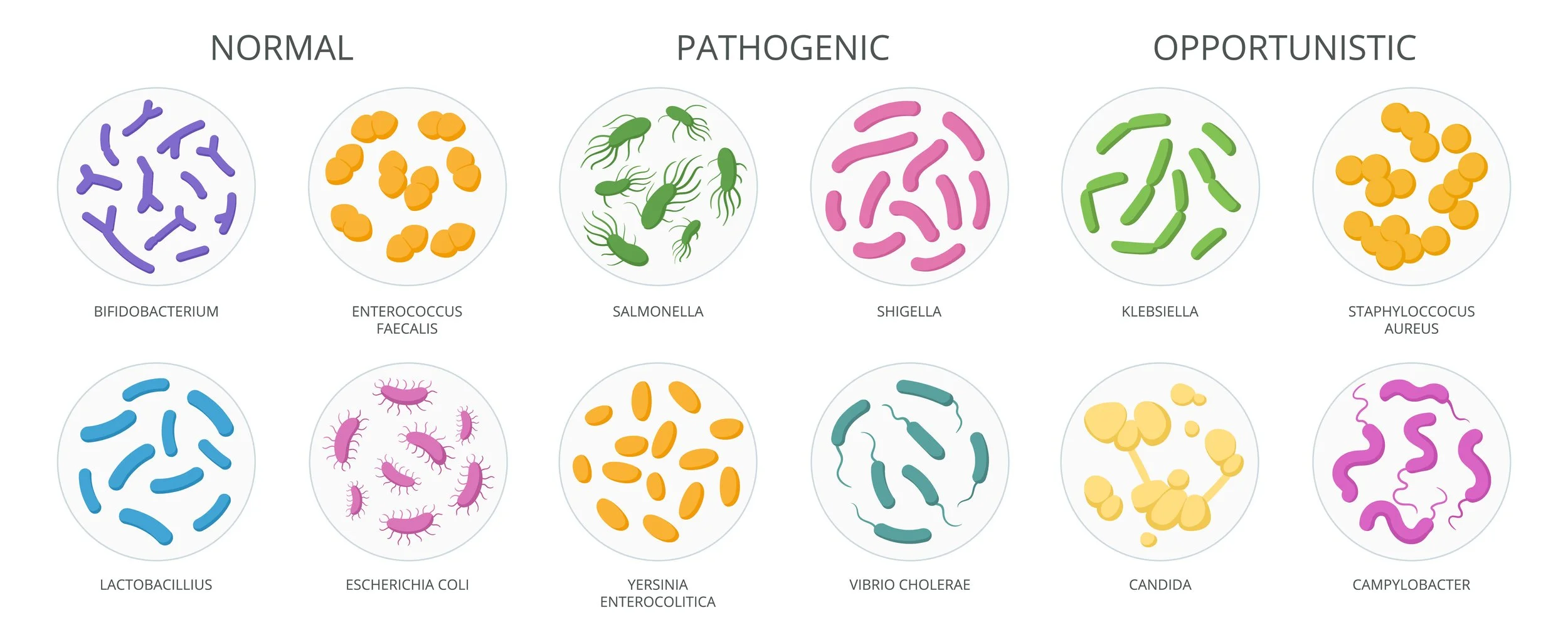
Your digestive tract is home to trillions of microorganisms that help break down food, produce metabolites, interact with your immune system, and influence many aspects of health. But your gut also has its own nervous system, a protective intestinal lining, and an intricate system of muscular contractions that move food through the digestive tract.
The cells lining your intestines are constantly renewing themselves. They help absorb nutrients while maintaining a barrier between the contents of your digestive tract and the rest of your body. Inflammation, infections, certain medications, and nutritional deficiencies can interfere with these functions. When the intestinal barrier becomes more permeable, substances that would normally remain inside the digestive tract may interact more readily with the immune system.
This is one reason intestinal health has become such an important area of research in inflammatory and autoimmune conditions. However, increased intestinal permeability is not the established cause of every autoimmune disease or food sensitivity, and it's important to distinguish promising research from what we actually know.
The Overlooked Connection Between Metabolism and Digestion
Here's something I wish more people understood: digestion requires energy. Your body has to produce stomach acid, digestive enzymes, and bile, maintain its intestinal lining, and coordinate the muscular contractions that move food along. These processes depend on a functioning metabolism and adequate nutritional resources.
When someone has been chronically under-eating, losing weight aggressively, or following a very restrictive diet, digestive symptoms can become part of a much larger picture. Severe or prolonged energy deficiency can affect gastrointestinal function, while inadequate nutrient intake may compromise tissue maintenance and repair. Thyroid dysfunction can also contribute to constipation and slowed intestinal transit.
I've worked with many people who spent years removing foods because they believed those foods were causing their symptoms. Sometimes the restrictions became so extensive that they were barely eating enough to support their basic metabolic needs. And then we wonder why their digestion isn't improving! This doesn't mean that every digestive disorder is caused by under-eating or carbohydrate restriction. It means we should evaluate nutritional adequacy and metabolic function alongside the usual gastrointestinal causes.
Why Gut Motility Matters So Much
One of the most important and frequently overlooked aspects of gut health is motility. Your digestive tract is supposed to move its contents along at a coordinated pace. Between meals, the small intestine also performs a series of contractions called the migrating motor complex, which helps clear residual material.
When motility becomes impaired, bacteria may have more opportunity to accumulate in places where they don't belong. This is particularly relevant to small intestinal bacterial overgrowth (SIBO) and intestinal methanogen overgrowth (IMO). These conditions can cause bloating, abdominal discomfort, constipation, diarrhea, and excessive gas. Methane production is especially associated with constipation and slower intestinal transit.
There are many potential contributors to impaired motility, including certain medications, previous infections, anatomical problems, and thyroid dysfunction. That's why I don't believe treating bacterial overgrowth should automatically be the end of the conversation. If we never investigate why the overgrowth developed, we're missing an important part of the picture.
Why Elimination Diets Don't Always Solve the Problem
Low-FODMAP, ketogenic, carnivore, and other restrictive diets can sometimes reduce digestive symptoms. If you remove foods that are being fermented by intestinal microorganisms, you may experience less gas and bloating. But symptom relief doesn't necessarily mean you've corrected the underlying problem. For example, someone with SIBO may feel considerably better when they remove fermentable carbohydrates, but that doesn't establish that carbohydrates caused the SIBO in the first place.
Long-term restriction can also make it difficult to consume enough calories, fiber, and essential nutrients, particularly when someone is already afraid of eating. I've seen clients arrive with lists of foods they believe they can no longer tolerate, sometimes after years of progressively restrictive diets. My goal is generally to help them tolerate a wider variety of foods, not give them an ever-growing list of things they can never eat again.
The Connection Between Gut Health, Thyroid Function, and Stress
Thyroid hormones influence gastrointestinal function, including intestinal transit. Hypothyroidism is a recognized contributor to constipation, and in some cases, more significant digestive slowing. When someone has chronic digestive complaints alongside fatigue, cold intolerance, or other possible thyroid symptoms, I want to consider whether thyroid function might be contributing.
Stress can also affect digestion through communication between the brain and the gastrointestinal nervous system. This communication is often called the gut-brain axis, and it's a two-way relationship. Stress can change digestive sensations and motility, while persistent gastrointestinal symptoms can affect sleep, mood, and quality of life.
Researchers are also investigating how the microbiome influences nervous-system signaling and inflammation. It's an exciting field, although we're still learning which findings translate into effective treatments. This is why I look at the whole person rather than treating bloating, anxiety, fatigue, and constipation as completely unrelated complaints.
My Approach to Improving Gut Health
When I work with someone who has chronic digestive symptoms, I start by looking at the foundations. Are they eating enough? Are they getting adequate carbohydrate and protein? Have they been dieting for years? Are there symptoms or laboratory findings suggesting thyroid dysfunction? Is constipation contributing to bloating or reflux? From there, we can investigate whether a condition such as SIBO, IMO, celiac disease, or another gastrointestinal disorder needs to be addressed.
I often use a pro-metabolic nutrition approach that emphasizes adequate energy intake, digestible carbohydrate sources, sufficient protein, and individualized fat intake. I also pay attention to meal tolerance, bowel regularity, and how quickly someone can comfortably expand their food choices. Depending on the person, this might include fruit, dairy, well-cooked vegetables, potatoes, rice, or other easily tolerated foods. Someone with significant bloating may need to increase certain fibers or fermentable carbohydrates gradually rather than all at once.
When appropriate, targeted medical treatment or carefully selected supplements may also have a role. I don't believe everyone needs antimicrobials, probiotics, or a complicated supplement protocol, and I certainly don't believe more supplements automatically mean better results. The goal is to create an environment where digestion can function normally again, while addressing any specific conditions that require treatment.
What About the Microbiome?
The microbiome is important, but I think we've become a little too obsessed with trying to identify every organism living inside us. A stool test can provide useful information in certain clinical situations, but many commercial microbiome tests don't yet offer reliable, individualized treatment recommendations.
We also shouldn't assume that every organism labeled undesirable is causing disease. Microbial behavior depends on location, abundance, interactions with other organisms, and the health of the host. Rather than chasing the perfect collection of bacteria, I prefer to focus on the things we can actually influence: nutrition, digestive function, appropriate medical evaluation, and the conditions that support a healthy intestinal environment.
The Bottom Line
If you've been struggling with digestive symptoms, you may need more than another elimination diet or another round of supplements. Sometimes there is an infection or overgrowth that needs specific treatment. Sometimes constipation, thyroid dysfunction, medication effects, or a gastrointestinal condition is contributing to the problem. And sometimes years of restrictive eating have made an already difficult situation even harder.
In my practice, restoring adequate nutrition and supporting metabolic health are important parts of helping people rebuild their digestion. I want my clients to understand what's happening in their bodies, address the factors that are keeping them stuck, and gradually regain confidence in their ability to eat.
The goal isn't to spend the rest of your life avoiding foods. It's to help your digestive system function well enough that you can enjoy eating again.
Need Help With Your Digestion?
I'm Marissa Olsen, MBS, LN, CNS, a Licensed Nutritionist and Certified Nutrition Specialist specializing in metabolic health, digestive disorders, and individualized nutrition. If you're struggling with persistent bloating, constipation, reflux, food intolerances, or recurring SIBO symptoms, I'd love to help you investigate the bigger picture and develop a plan that makes sense for your body.
